

KCCA FACILITIES AMONG CENTRES OFFERING HIV PREVENTION INJECTION IN KAMPALA
PUBLISHED — 6th, May 2026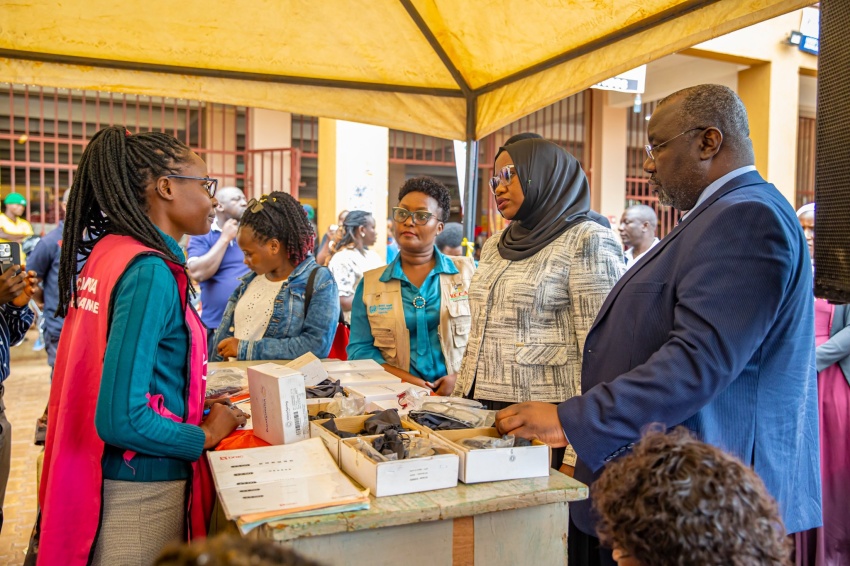
At least six health centres operated by the Kampala Capital City Authority (KCCA) are among 103 public facilities nationwide that have started administering lenacapavir, a long-acting injectable drug for HIV prevention.
The KCCA-run facilities including, Kisenyi Health Centre IV, Kawaala Health Centre III, Kisugu Health Centre III, Kiswa Health Centre III, Kitebi Health Centre III and Komamboga Health Centre III are part of 10 health units in Kampala currently offering the injection.
Other facilities in the city include the Mulago National Referral Hospital MARPI STI Project Clinic, AIDS Information Centre Special Clinic, China-Uganda Friendship Hospital in Naguru, and Kiruddu National Referral Hospital under the MJAP programme.
Health officials say lenacapavir, administered once every six months, provides an alternative to daily oral pre-exposure prophylaxis (PrEP), particularly for individuals who struggle to maintain consistent use of oral daily medication.
According to the Ministry of Health, the rollout in Kampala is part of a broader national programme supported by an initial batch of 19,000 doses donated by the Global Fund. An additional 7,000 doses from the United States government are expected this May, with more shipments anticipated later in the year.
The drug is offered free of charge at public health facilities, although beneficiaries are required to meet their transport costs.
Officials say the injection is targeted at individuals at substantial risk of acquiring HIV who must first test negative.
These include adolescent girls and young women aged 15 to 24, sex workers and their clients, people diagnosed with sexually transmitted infections in the past six months, and individuals who are unable to consistently adhere to daily PrEP or negotiate condom use.
Other priority groups include fishermen, long-distance truck drivers, pregnant and breastfeeding mothers, and people in multiple sexual partnerships.
The introduction of lenacapavir comes amid persistent HIV infections in Uganda. Data cited by UNAIDS indicates that the country recorded more than 37,000 new infections in 2024, with young women disproportionately affected.
Health officials say demand for the injectable drug is already rising across the country, with some facilities reporting limited initial supplies due to high uptake.
The Ministry of Health plans to expand access to 300 health facilities by December 2026 as part of efforts to increase prevention options and reduce new HIV infections.
By Geofrey Mutegeki Araali
Communication and Media Relations Officer
News & Announcements

26th, May 2026

25th, May 2026

25th, May 2026

21st, May 2026

20th, May 2026
19th, May 2026

11th, May 2026

8th, May 2026
6th, May 2026
6th, May 2026






Development partners