

KAMPALA ELECTS MAYOR SSERUNJOJI TO LEAD ENVIRONMENT AND NATURAL RESOURCES COMMITTEE
PUBLISHED — 19th, June 2026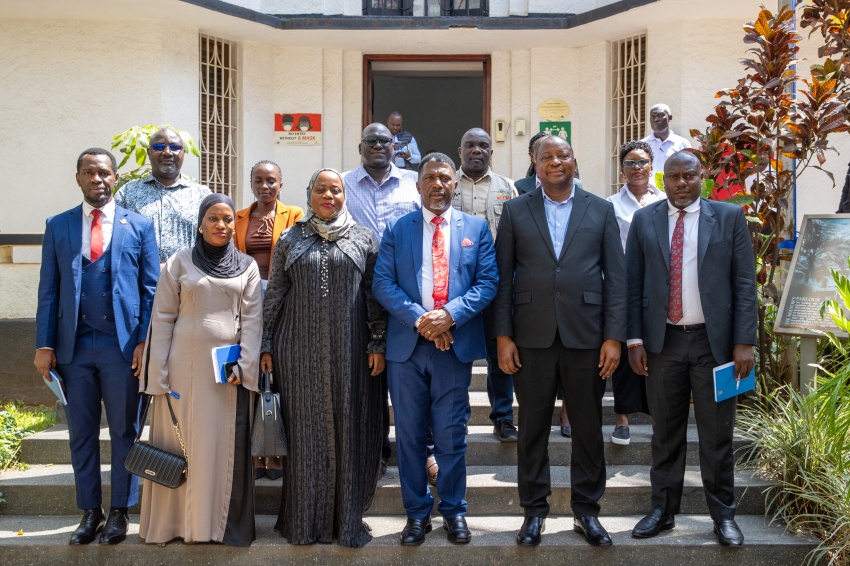
The Kampala Capital City Authority (KCCA) has constituted its Environment and Natural Resources Committee, electing Kawempe Division Mayor Emmanuel Sserunjoji as chairperson in a move officials say will strengthen environmental governance and curb wetland destruction in the city.
Kawempe South MP Hajjati Madina Nsereko was elected vice chairperson during the inaugural sitting of the committee on June 19, which had not been fully operational for an extended period despite being provided for under the National Environment Act, 2019.
The law, under Sections 27 and 28, establishes district environment committees to advise local governments, coordinate environmental management, integrate environmental concerns into development planning and promote public awareness on environmental protection.
Sserunjoji said the committee would focus on coordination and citizen engagement to improve environmental protection in Kampala.
“Our task is to coordinate environmental activities, advocate for our people and keep our people informed as we work to make the city resilient and livable,” he said.
The committee brings together political and technical leaders, including Lord Mayor, Members of Parliament, Resident City Commissioners, the KCCA Executive Director, town clerks, division mayors, and senior directors in charge of public health and environment, engineering and technical services, physical planning, strategy and gender.
Lord Mayor Ronald Nsubuga Balimwezo, called for stronger enforcement to protect wetlands, warning against continued encroachment.
“Safeguard our wetlands, gazette our wetlands so people know their boundaries. Sensitize the masses on the environment,” he said, adding that enforcement efforts must be strengthened to stop construction in protected areas.
Balimwezo also said the city had previously asked the National Environment Management Authority (NEMA) to halt certain operations in Kampala until the committee was put in place.
KCCA Deputy Executive Director Benon Kigenyi described the committee as critical to environmental management and climate resilience.
“This committee is important in managing our ecology and averting challenges such as floods. It is critical that all stakeholders support its work,” Kigenyi said.
He warned that Kampala’s wetlands have been heavily degraded, noting that the city originally had about 3,209 hectares of wetlands, but more than 2,000 hectares about 56.6% have been lost to encroachment.
KCCA officials said the absence of an active committee had weakened coordination of environmental enforcement and public sensitization efforts.
The newly elected committee is expected to coordinate environmental activities across departments, strengthen enforcement, promote public awareness and integrate environmental protection into city planning as Kampala grapples with flooding, wetland degradation and rapid urban growth.
By Geofrey Mutegeki Araali
Communication and Media Relations Officer
News & Announcements
6th, July 2026

3rd, July 2026
30th, June 2026

20th, June 2026

19th, June 2026
19th, June 2026
13th, June 2026
6th, June 2026
4th, June 2026
29th, May 2026








Development partners