

KCCA PUSHES FRESH REFORMS TO STREAMLINE KAMPALA TRANSPORT SECTOR
PUBLISHED — 2nd, April 2026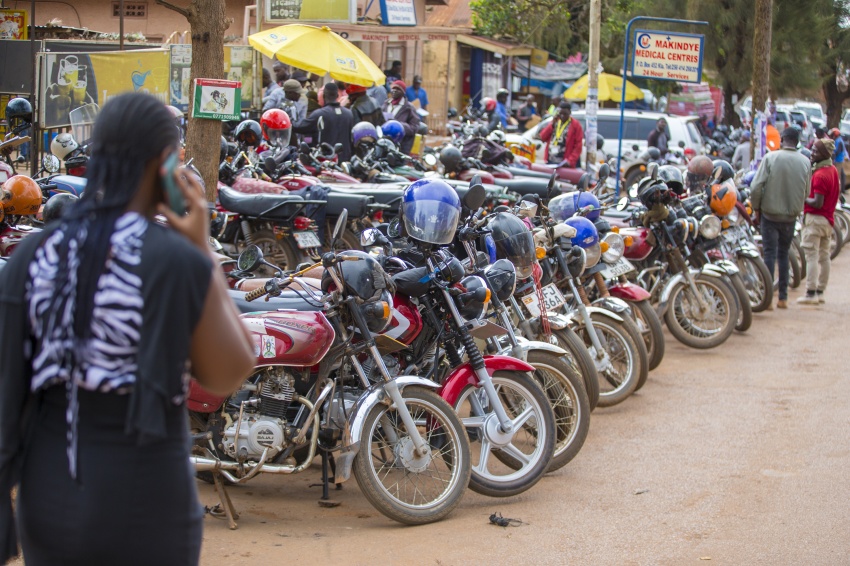
The Kampala Capital City Authority (KCCA) has intensified efforts to restore order in the city’s transport sector, with councilors scrutinising a proposed law aimed at strengthening regulation and improving mobility in the capital.
During a working retreat held on Tuesday at Imperial Golf View Hotel, councilors reviewed the draft Kampala Capital City (Public Transport Management) Bill, part of a broader, ongoing strategy by the Authority to address long-standing challenges in public transport.
The discussions build on previous interventions by KCCA to organise taxi and boda-boda operations, reduce congestion and improve safety, as the city grapples with rapid urbanisation and rising commuter demand.
The proposed law, being developed under Section 8 of the Kampala Capital City Act, seeks to establish a structured framework for managing taxis, boda-bodas, special hire vehicles and coasters.
If enacted, the legislation will introduce a Public Transport Management Committee to oversee implementation, enforcement and coordination across the sector. It will also formalise KCCA’s mandate in managing public taxi parks while setting clear conditions for private investors interested in developing similar facilities.
Under the draft provisions, individuals seeking to establish taxi parks will be required to obtain permits and submit detailed documentation, including approved building plans, environmental and social impact assessments in line with the National Environment Act, 2019, proof of land ownership and insurance cover.
Operating without approval would attract penalties.
Councilors also examined proposals to streamline taxi operations through the creation of a comprehensive register of operators, mandatory annual licensing and stricter enforcement of the Traffic and Road Safety Act.
The bill further provides for gazetted routes and stages, with taxis required to pick up and drop off passengers only at designated points. Each vehicle would be assigned a specific route, complete with visible charts and unique identification codes.
KCCA would also be mandated to guide fare structures in consultation with operators, a move officials say could bring predictability and fairness to commuters.
In the boda-boda sector, the draft law proposes mandatory registration, a centralised database of riders and the introduction of regulated stages capped at 30 operators each. Riders would be required to wear colour-coded jackets tied to specific divisions, alongside unique identification codes to improve accountability.
Authorities would also have powers to prescribe fares for boda-boda services along designated routes, signalling a shift towards formalising pricing in the largely informal segment.
The KCCA Deputy Executive Director Benon Kigenyi said the proposed reforms are part of a deliberate and phased effort to transition Kampala into a modern, efficient and well-regulated transport system.
“This is about creating order, predictability and safety in a sector that is critical to the daily life of our city,” Kigenyi said. “We are not just regulating for the sake of control, but building a system that works for commuters, supports operators to thrive within clear rules, and aligns with Kampala’s long-term urban development vision.”
Officials say the measures are part of KCCA’s continuing approach to modernise Kampala’s transport system one that combines infrastructure planning, stakeholder engagement and regulatory reforms.
Councilors emphasised that the bill remains under discussion, with input from stakeholders expected to shape the final document before it is tabled.
KCCA officials maintain that the proposed reforms are intended to ease congestion, enhance road safety and improve service delivery, while aligning the city’s transport systems with its long-term urban development plans.
By Geofrey Mutegeki Araali
Communication and Media Relations Officer
News & Announcements
2nd, April 2026

2nd, April 2026
1st, April 2026

31st, March 2026

28th, March 2026
27th, March 2026

25th, March 2026
24th, March 2026

19th, March 2026

18th, March 2026








Development partners